
If you want a completely different experience from the norm of the Caribbean, come to Montserrat.
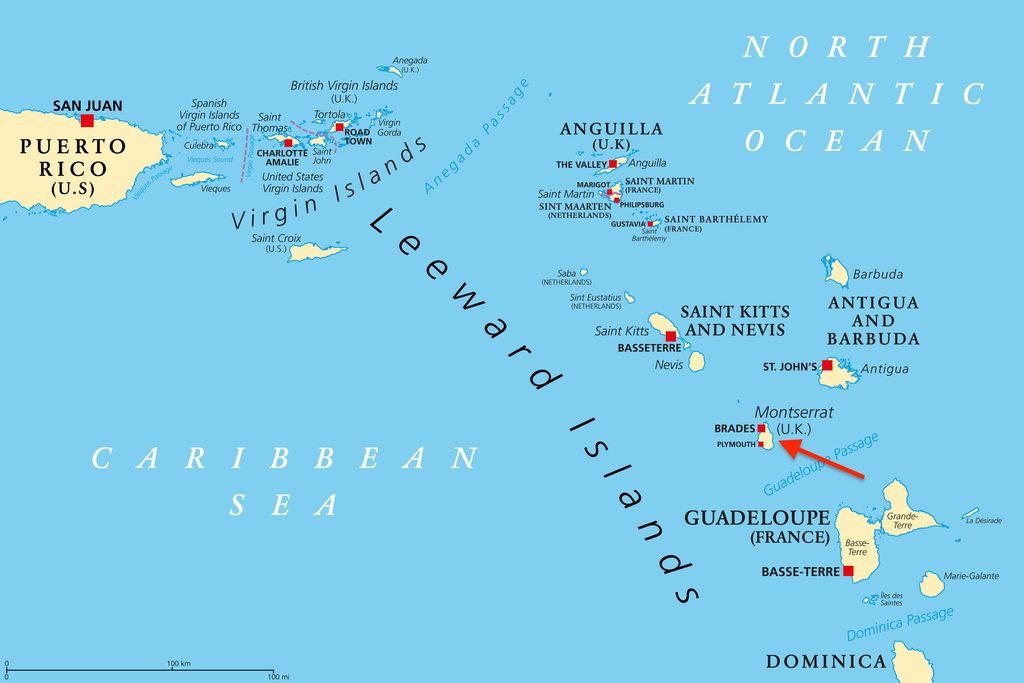
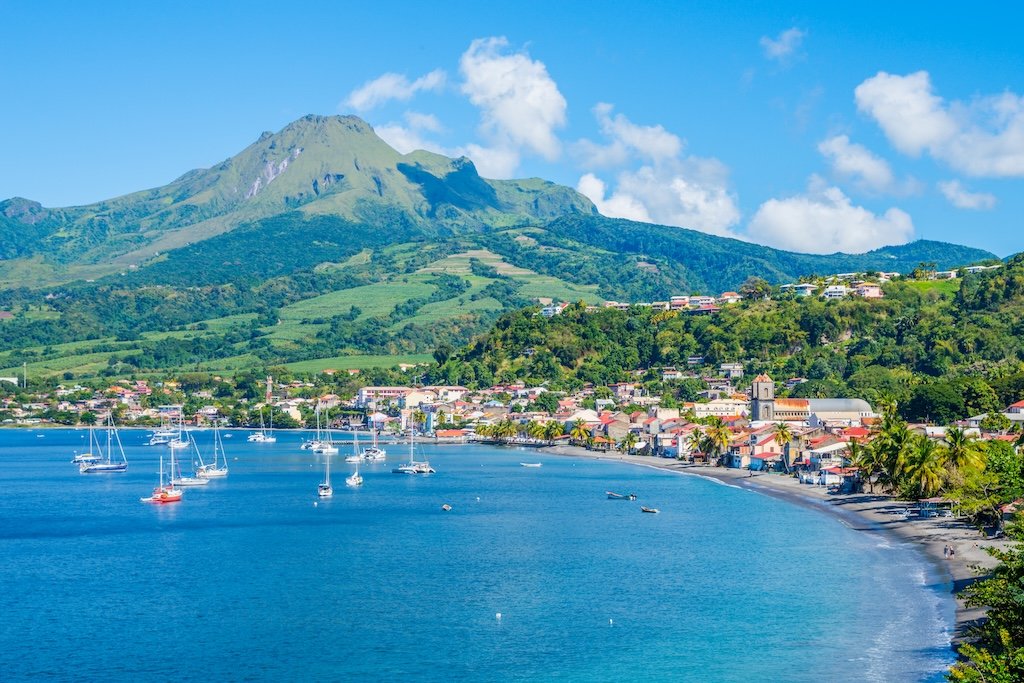
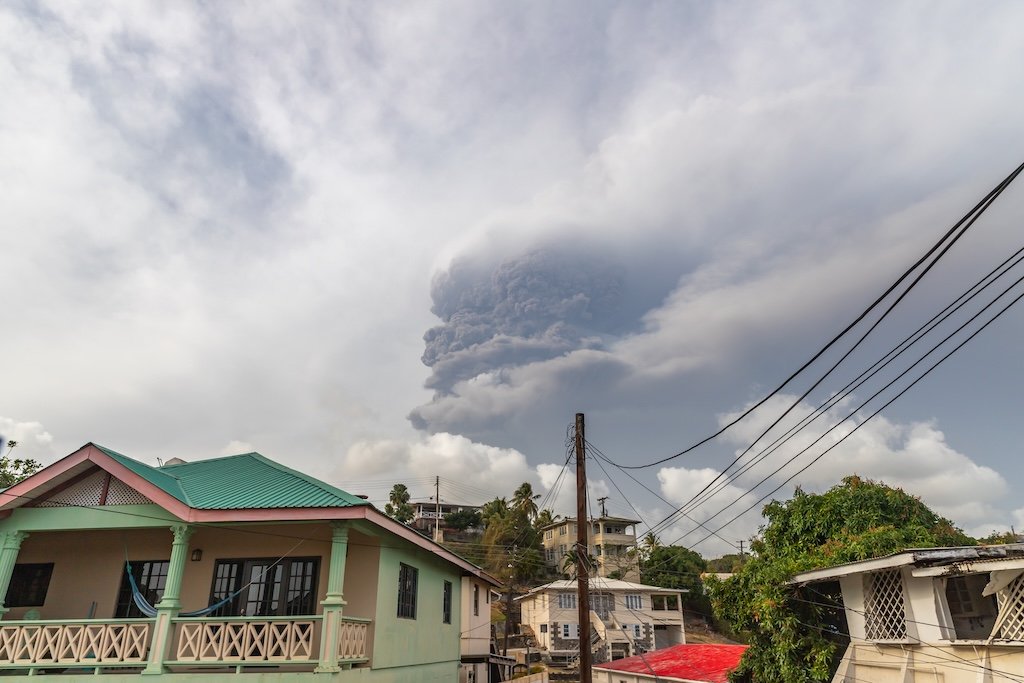
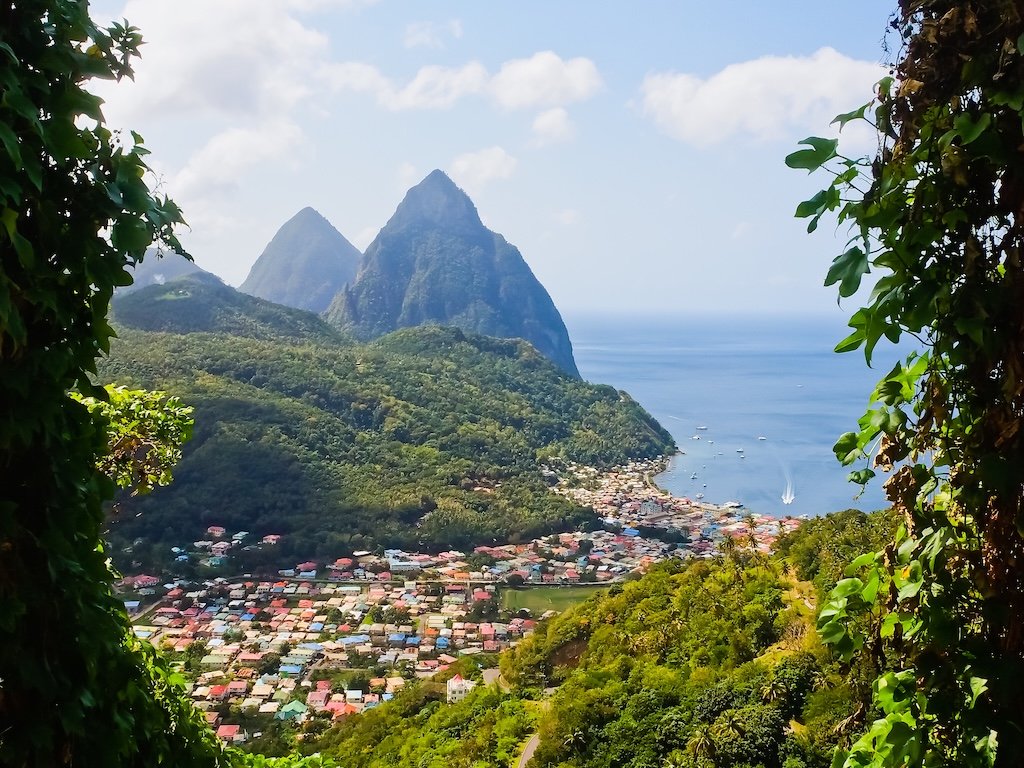
I’ve written a lot about the presence of volcanoes in this string of the Eastern Caribbean chain. Like so many places in the tropics, these islands formed from volcanic activity, forcing the land up above the sea surface. Visiting these islands, you’d have to work pretty hard to avoid a visual encounter with these beasts of Earth’s magma. There’s the famous eruption of Mt Pelée on Martinique that destroyed the then-capital St Pierre and many cargo ships at anchor in the harbor. On St Vincent, we hiked to the summit of a recently erupted La Soufrière. And no brochure of the Caribbean is complete without the striking images of the mountainous St Lucia pitons, leftover volcanic plugs from an eruption 100,000 years ago.
But what makes Montserrat unique is that it’s home to an active volcano, the power of which is evident from the buried remains of the then-capital city of Plymouth.
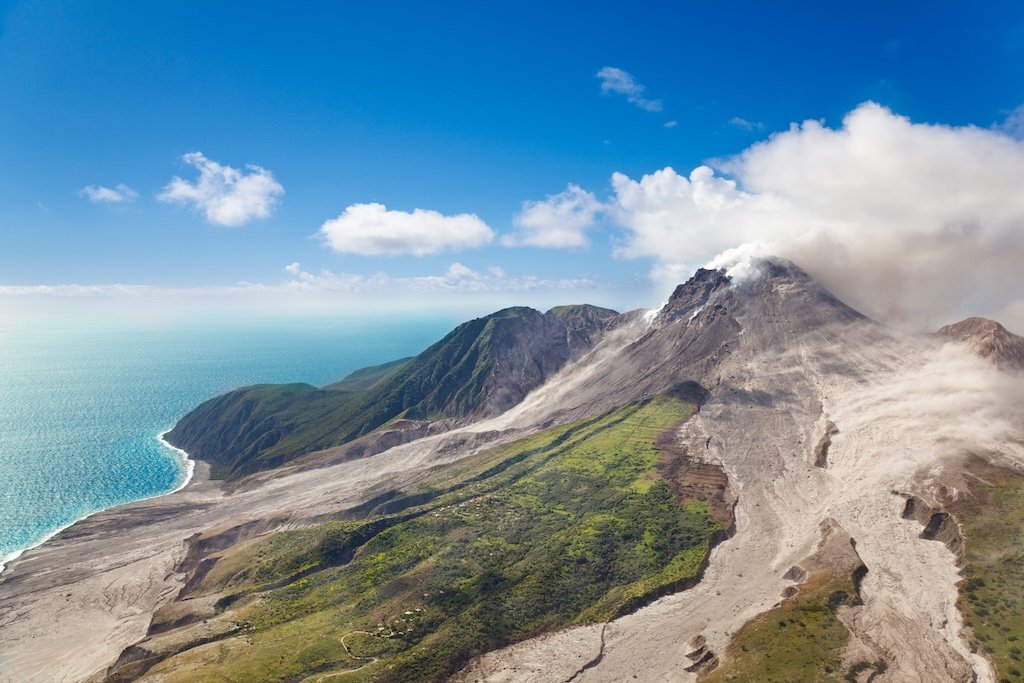
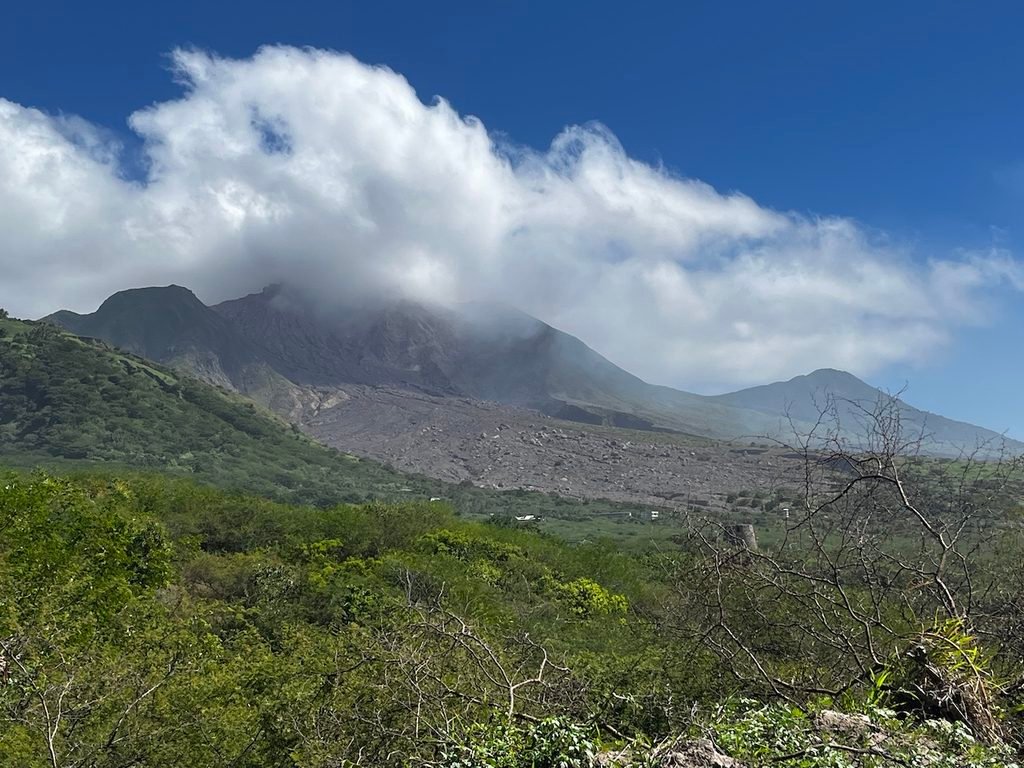
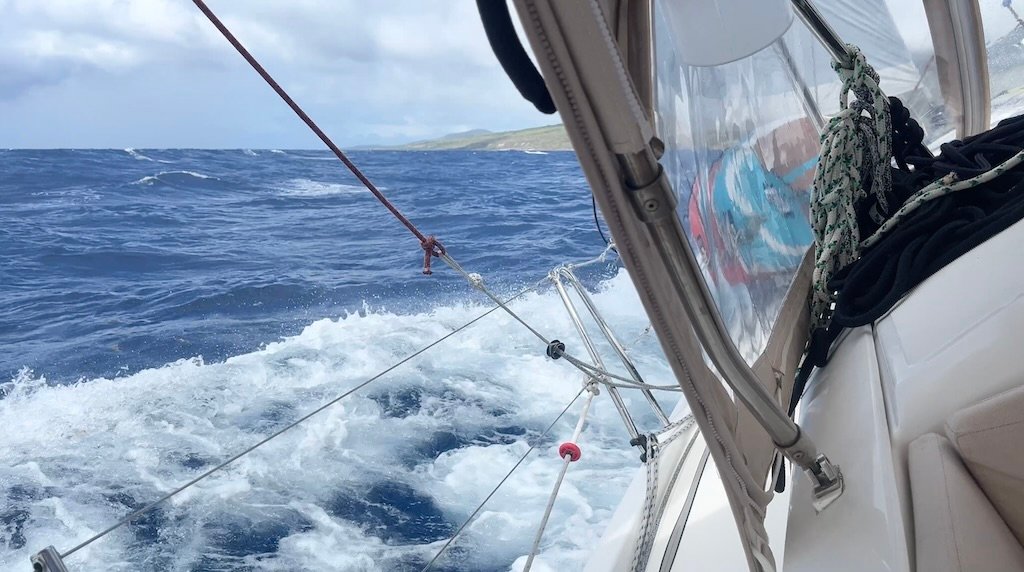
Back in 2007, with our kids onboard, we sailed along the west coast of Montserrat – as close as authorities would allow private vessels – and peered with binoculars into the monochromatic beige mountain slope descending from the peak at the charred remains of an eruption that began on 18 July 1995 and was followed by what scientists referred to as a pyroclastic flow. The word pyroclastic is scary enough. This was not simply a slow creeping orange lava flow that you might find in a National Geographic spread. Pyroclastic flow refers to super heated gas and volcanic matter that travels down the slope of a volcano at extremely high speeds causing wide spread destruction. It’s not something that will give you time to run (or drive) out of the way. As we slowly sailed past onboard Thalia a mere 12 years after the eruption, we could just make out the faint outlines of a few buildings eerily protruding from this moonscape. It was hard to comprehend that this was once a thriving city of 4000 islanders.
With safety on the minds of the current island government, and the fact that the volcano was still spewing gases and molten matter, with mountain peaks growing and shrinking, average tourists like us were not allowed to land on the island without special – what seemed scientific – permission or purpose. We watched as higher elevation winds blew the smoke from the summit westward over our heads; it was fair to say that dawdling was not on the agenda.
However, we learned recently that Montserrat was now open to visitors on a limited scale. A small harbor at the northern end of the island, about as far as one could get from the site of the active volcano, was available for disembarking. Scant details were available from our social media sources but as my mother could often be heard to say, “Nothing ventured, nothing gained!” After securing the dinghy at a small but well appreciated dinghy dock attached to the side of an industrial pier, we ventured towards more industrial buildings ashore to find out how to clear into the country. They appeared to be set up for, or one point had made signage for, groups of visitors to land here, but no tour or ferry boat was in port and my lone existence at a glass check-in window caused a few of the eight uniformed officers at their desks to stumble from their slumber. This could not be mistaken for the crowds of the British Virgin Islands. But alas, the main attraction here was a tour of the buried city of Plymouth. For safety reasons, and I have to believe to increase island employment, a private guide was required to drive into Plymouth. It was all very official.
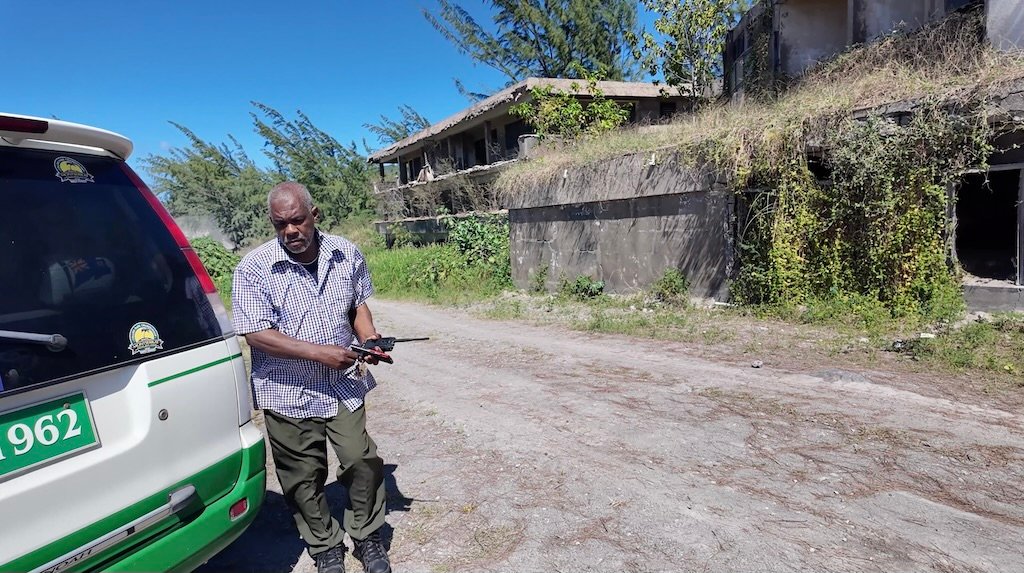
Our guide Cecil – recommended by a few other sailors – was issued a mobile radio by security guards at the entrance gate, with the thought being that if the volcano were to erupt again, the observation tower high up on a bluff could summon all guides by radio to evacuate the city. The protocol certainly got our attention.
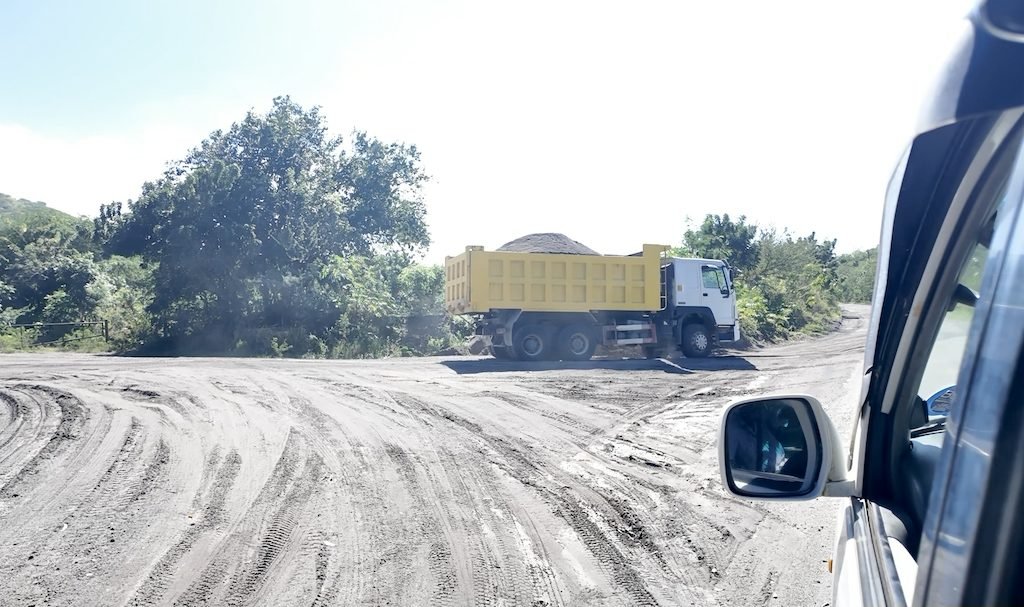
Dusty, sandy roads led down into the valley floor. I was surprised at the regular sight of large dump trucks filled to the brim with sand passing by us at great speed heading toward the water. Cecil explained that Plymouth was being mined for sand as an export commodity. These trucks were racing to get as many deliveries in as they could to a make-shift dock and barge at what must have once been a beautiful beach for Plymouth residents. Miraculously, with ample warning of the eruption, only 19 people died on the day of the eruption. But I couldn’t help but think of their cremated remains, intermixed with this pyroclastic sand, now being shipped off-island.
Cecil parked adjacent to what was once a hotel. The eruption had buried the first floor and part of the second, and had torn open the side wall, revealing the remains of the upper hotel rooms, even a bathroom with its toilet open to the elements.
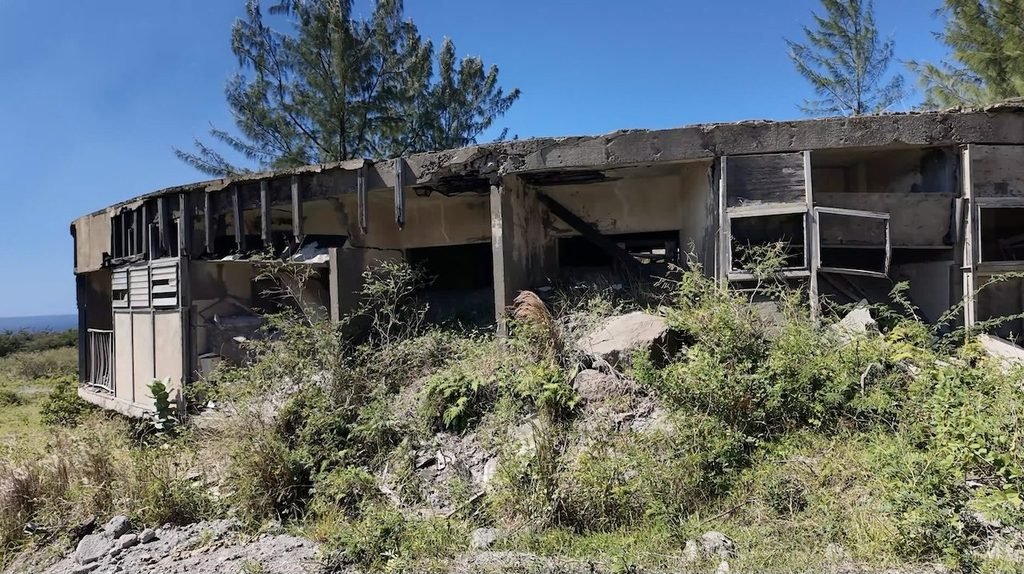
It felt like we were walking around a life-sized cutaway model used by architects to convey their design to a developer.
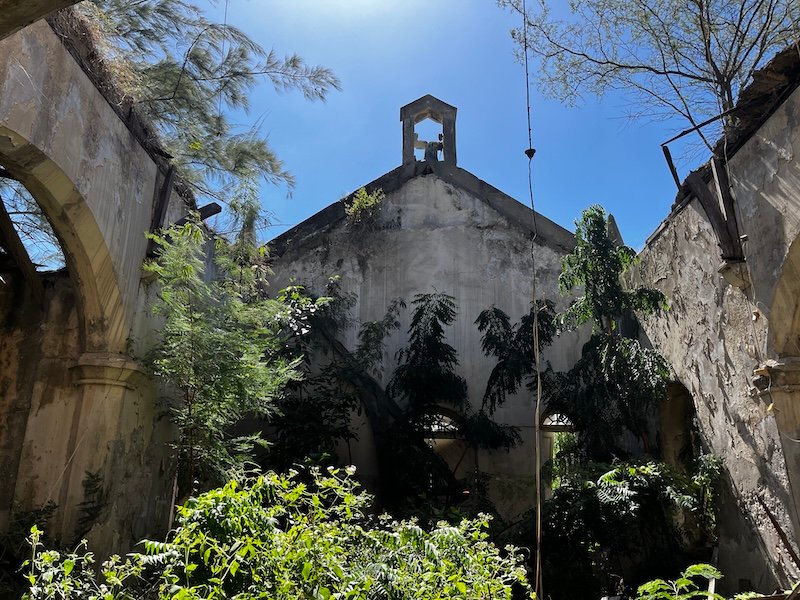
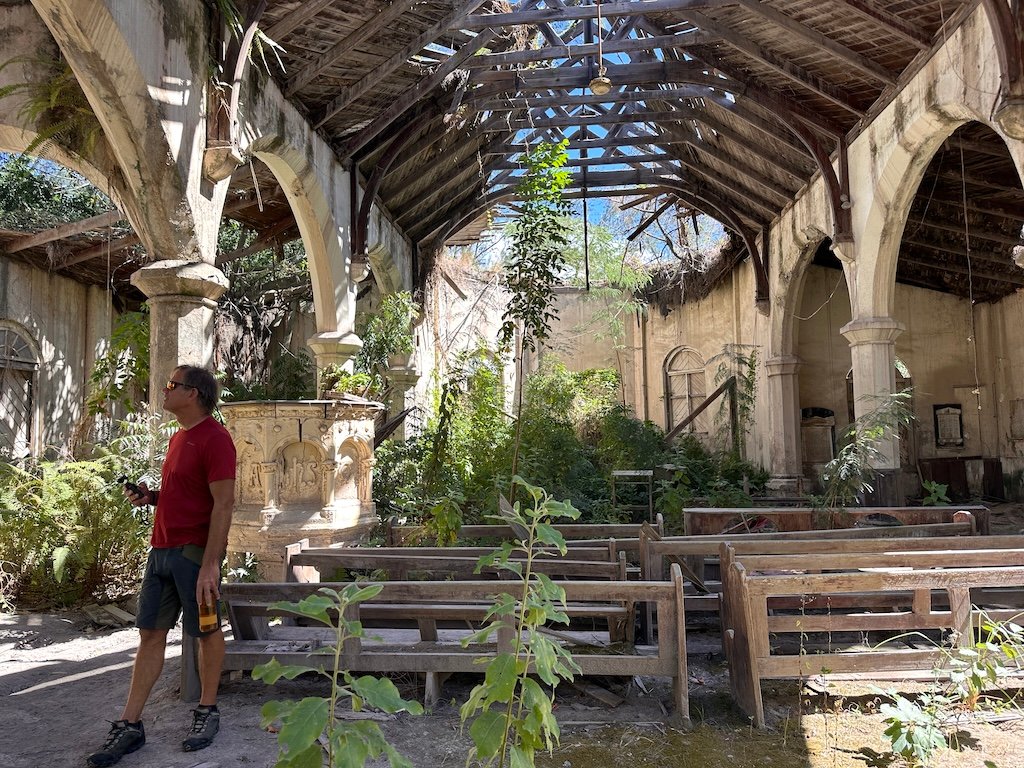
Crossing the twin tire ruts in the sandy street in front of the hotel brought us to the open roof remains of an Anglican church, wooden pews competing with tall weeds for the few shafts of daylight. The whole experience was a little too close to the movie set for “Day After Tomorrow”.
With Cecil back at the van with the emergency radio, we weren’t inclined to wander too far afield. As we pulled out of the valley floor and the summit came back into view with its continuous trail of white smoke, like the billowing exhaust of a steamship driving steadily to windward, I was left to wonder what the future had in store for this odd-fellow island nation. The port where we had left our dinghy was now awash in moving yellow construction machinery, with their ever present rotating flashing lights and slow beeping backup alarms, moving giant boulders and otherwise following another architect’s plan for the future. A crane was preparing large concrete forms, built in a staging area just ashore, to drop into the harbor, thereby complementing the current rough-and-ready pier with a new structure, the length and breadth of which hopefully would garner the attention of the cruise ship industry.
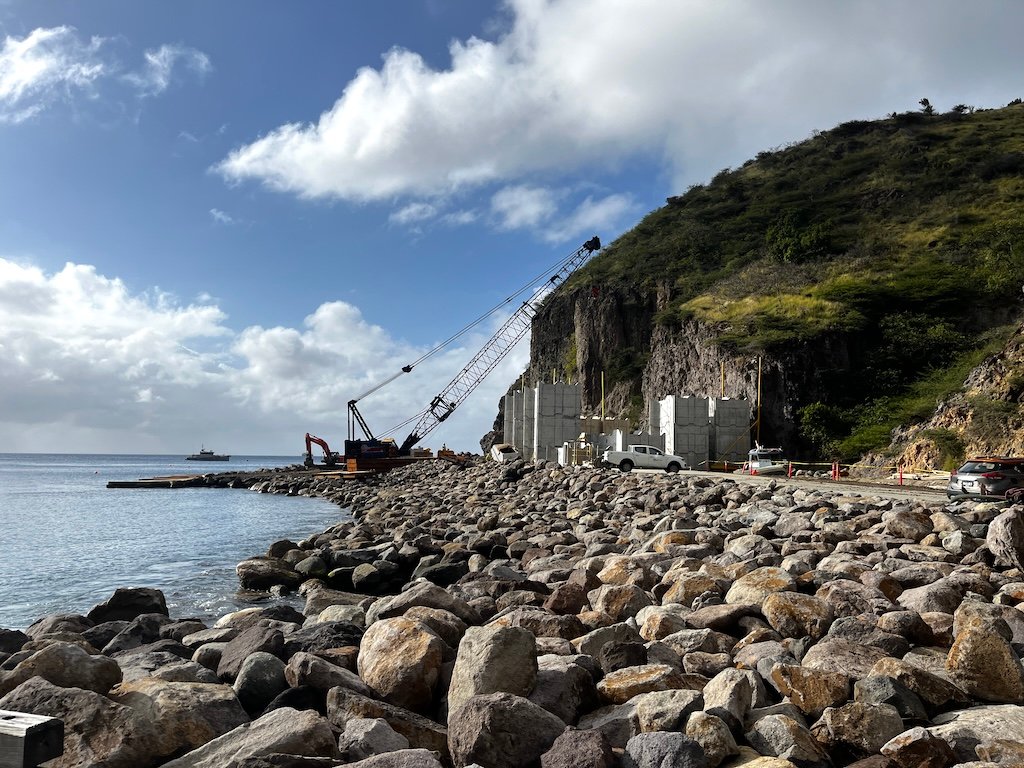
Cecil explained to us that with ferry service only running during their special Christmas festival celebration, most people take passage on a 7 person plane to travel to and from the island at the present time. The few visitors like us who drop a hook in the harbor for a day or two make up the exception. When we drop it again in another 20 years, will Montserrat have found the right balance between mass tourism and cultural preservation? I took a final run ashore before we weighed anchor, stopping halfway to admire a new-ish and quite large-ish cultural center built on a bluff above the harbor. Looks can be deceiving. Up close, the detritus from lack of maintenance over many years left me searching for answers. The doors were locked, no one was present, and the inside looked like it had been abandoned. A plaque recognized the charity of the McCartney Foundation (as in Paul McCartney) that had organized the Music for Montserrat benefit concert in London 2 years after the 1995 eruption to raise funds for this multi-story once-a-masterpiece edifice.
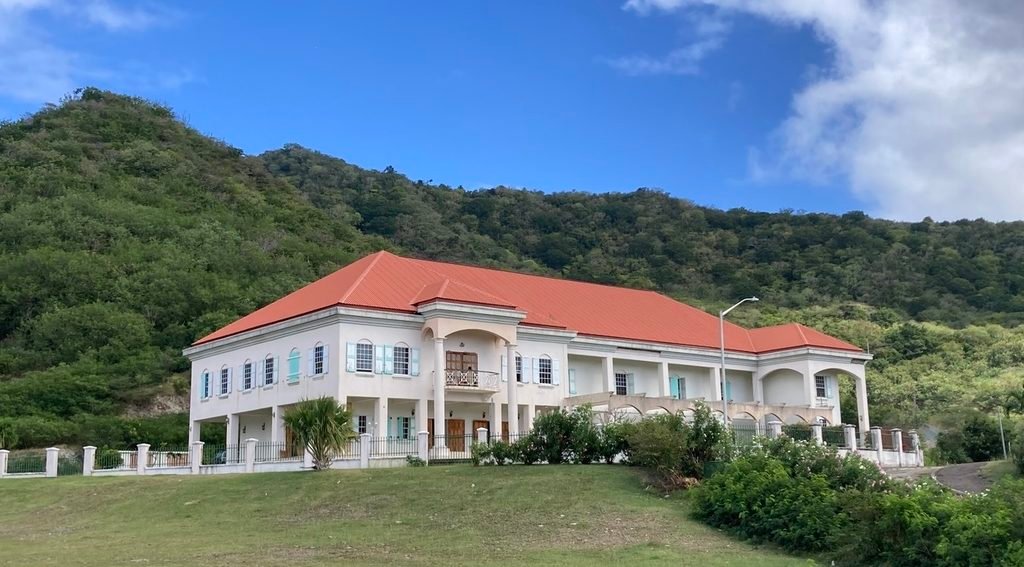
We all want to help out when disaster strikes, especially a poor island country like this one. But one-time gifts like these, which are so well intentioned at the outset, can become a burden over the long term. One has to conclude the island did not have the funds to maintain the building. I’m sure a follow-on benefit concert to pay for fresh paint and stucco – absent of any big natural disaster – wouldn’t fill the coffers nearly as much as the original benefit. However, I just read that an effort is now underway to renovate the center. It’s not clear where the money is coming from or what the timing will be, but getting materials on the island is one of the stated hurdles. Let’s hope that the new extended pier is being built with a goal of helping more than just lining the pockets of the cruise industry. If you are in the area, consider a short puddle-jumper flight to Montserrat. It’s a gem like no other, and Cecil is your man!
Just yesterday my brother Ken & wife Trisha were just saying this island was recommended to them. I think it’s a sign.
Indeed, that is a sign (to follow)!