“Guests, like fish, begin to smell after three days.”
There’s a few different versions of this comic refrain, but this one’s credited to our beloved Benjamin Franklin. Being on the water, we know a thing or two about smelly fish, and about uncomfortable guest experiences; it doesn’t take long to hear stories from fellow sailors. Onboard Sea Rose, however, we follow a few simple guidelines to make sure everything goes smoothly. First, we don’t guarantee where we will pick up our guests or drop them off. We always tell them that it is a lot easier to move people to a boat then to move a boat to the people. Second, there are a plethora of things that could go wrong, and flexibility is the key. One of us could get sick. Weather could disrupt our plans. Or, the boat could have an issue. We’ve never had to pull the boat card, until now.
Our dear friends Matt and Michelle, no strangers to Sea Rose or to travel itself, were well equipped in the flexibility department. Better yet, they don’t smell after three days! Despite the holidays, we were able to find a delightful house to rent. With a small pool, it was as close to a week of sailing around Martinique that we could offer.
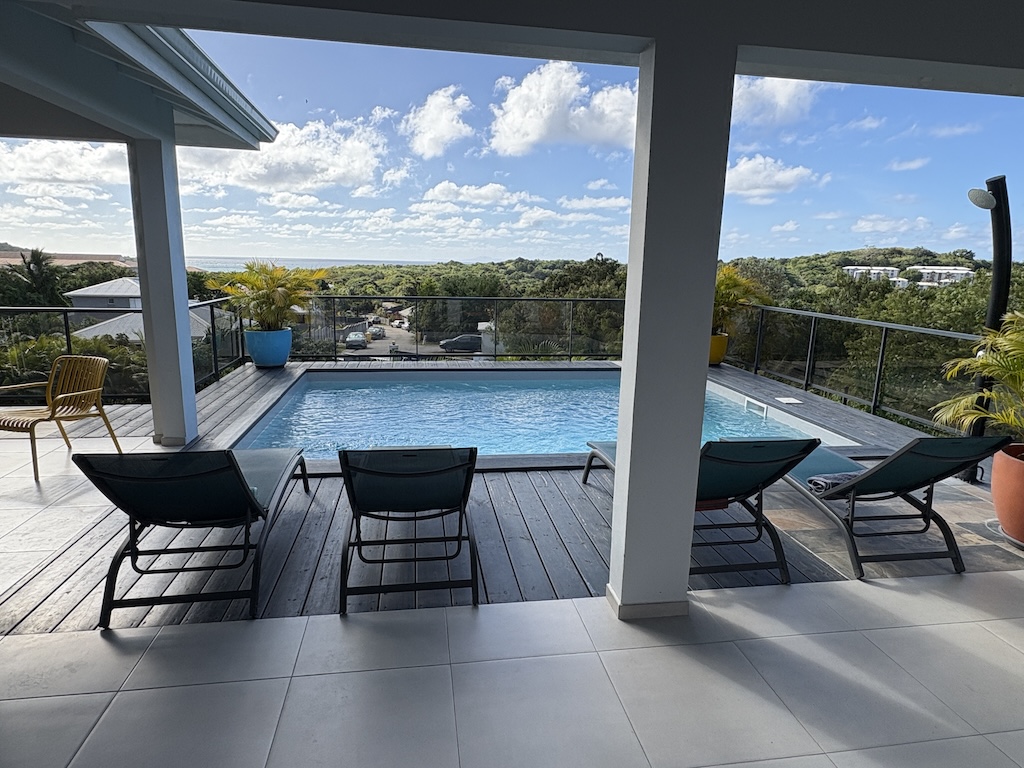
Martinique is a distinctly different Caribbean island. If you had visited 20 years ago as an English speaker, you would have had a hard time getting around. Now, despite the arrival screen at the airport dominated by flights originating from mainland France and Quebec, those of us with only the most rudimentary French can get by – and, well, even thrive. But if you’ve got a French-speaking friend, gift them with a companion ticket; Google Translate only can get you so far.
The public bus service on the island is clean, modern and frequent – a far cry from most other islands in the eastern Caribbean. But with four of us, we opted for a rental car, being sure to rent from a prominent company so that we didn’t repeat our harrowing experience from the week prior. Tiny cars like the Renault Clio are the workforce of the rental car industry here and they are fine if it’s just you and your lucky French-speaking, flying-for-free companion. For us, we upgraded to their top of the line offering, the Dacia Duster, a cutesy name for a mini SUV – more on the scale of a Honda CRV, not a Ford Expedition. And, it’s about as big as you want to go anyway. The roads, while fairly modern between major towns, are skinny. Once you get off the main route into or out of Fort de France, the Clio is your preferred size. When you meet oncoming traffic, one or both of you are going to need to get up close and personal with the shoulder and whatever exists there – vegetation, mud holes, stray dogs, or sharp drop offs into a canyon below. You’ll need to make your move lickety-split as the drivers here, despite the feeble horsepower under the hood of their Clio-esque cars, summon a hidden reserve of torque to make a head-on collision, or at least a clipping of sideview mirrors, a distinct probability. I studied both statistics and physics in college, and as these drivers whizz by you, around you, and nearly over top of you, I must conclude that Newton’s laws of motion don’t apply here. It is not a driving experience for the faint of heart. You’d be wise to bring some seasick meds while you are at it too.
Like the rest of the Caribbean, Martinique has its share of fine beaches, particularly on the southern end of the island where we were basing ourselves. Le Diamant, or The Diamond, is not hard to find with a steep promontory, Diamond Rock, laying just offshore.
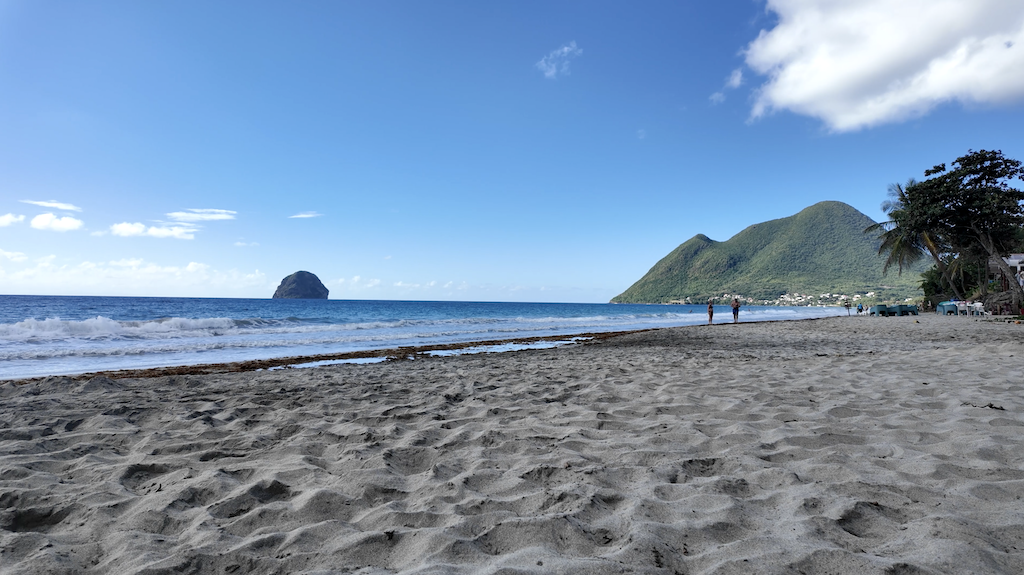
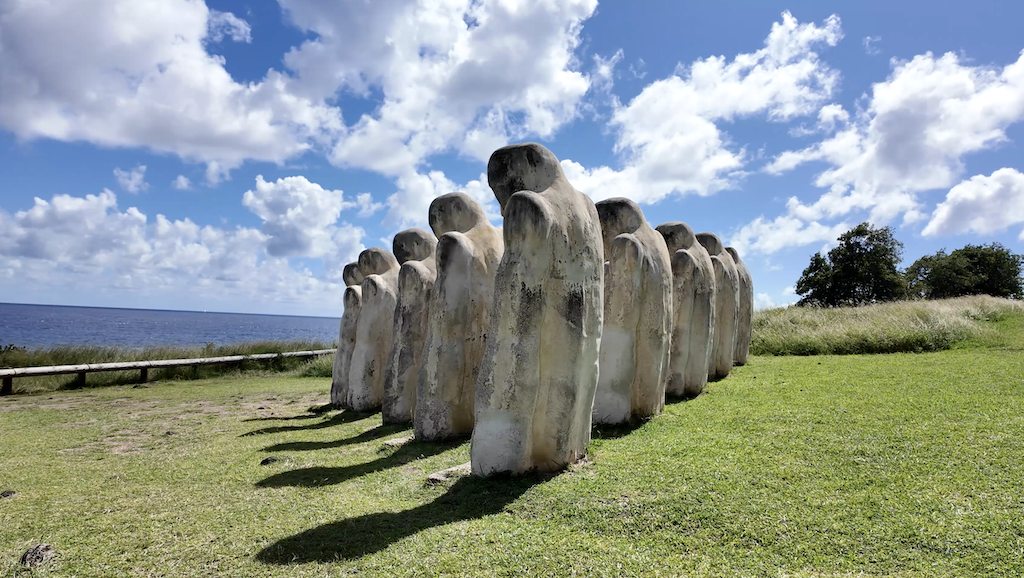
We had been warned by our host not to swim at the beach due to the rough surf, but on this morning it was the perfect retreat from a hot, windless day. This was not the case back on April 8th, 1830, when a ship battling a storm ran aground on the nearby rocks. Some of the details were lost to the deep. But what was undisputed was her cargo. Several hundred enslaved men and women, chained below decks since their departure from Africa. As a consequence, when the ship broke up on the rocks, the survival rate was tragically minimal. A chilling monument has been erected on a grassy headland overlooking the site of the calamity, inducing hushed voices and reflective thoughts to those that strolled the grounds.


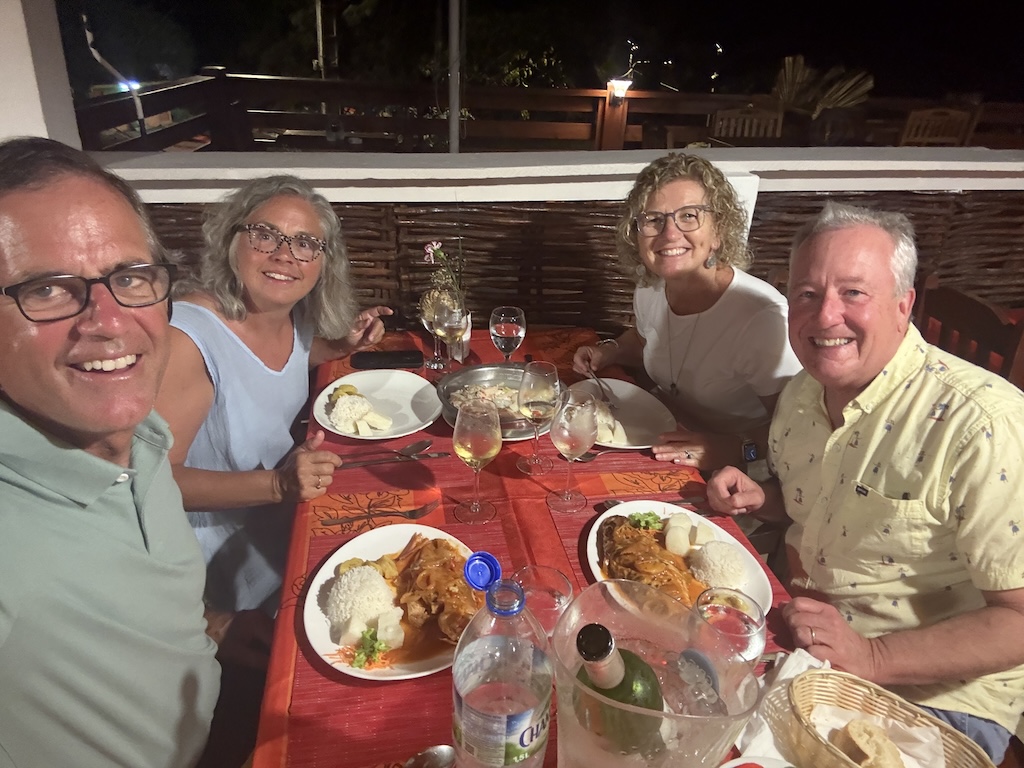
Being a French Overseas Territory, you would expect the food on Martinique to be a step up from the ordinary. And you would be spot on. The French love to go out to eat and to linger for hours, where wait staff make no effort to bring the check or rush you out to clear the table like they do in the U.S. Prices are generally reasonable. With our comfortable house rental, we opted for eating out for lunches and leveraging the fine kitchen and outdoor stone barbecue back ‘home’ for dinners. But for one evening, we chose the Le Poisson Rouge restaurant, open from 7-10:30pm for dinner. Like good travelers who don’t want to risk missing out or losing time, we booked a reservation for 7pm. As we pulled into the parking lot across the street, it was hard to find the restaurant with every surrounding building being completely dark. We were 5 minutes early, but when we did find the restaurant – dark, empty and with security bars closing off the entrance – it was looking likely that take-out pizza back at the pool deck was going to be the new plan. Then, the rattling of a small van came down the dark road and parked. A man stepped out holding a few pots and pans and asked Matt if he was the one who called in the reservation. Violà, our chef! We were going to be served after all! Lights came on, the kitchen was opened, and he piped in some music as we took our seats overlooking the small fishing harbor below, dimly lit by street lights and a swarm of night bugs attracted to their glow. We each took guesses on how many other people would ultimately join us. Alas, we all lost. We were the only patrons for the evening, as the chef explained that some nights they are full and others, like tonight, not so much. Such are the vagaries of running a restaurant.
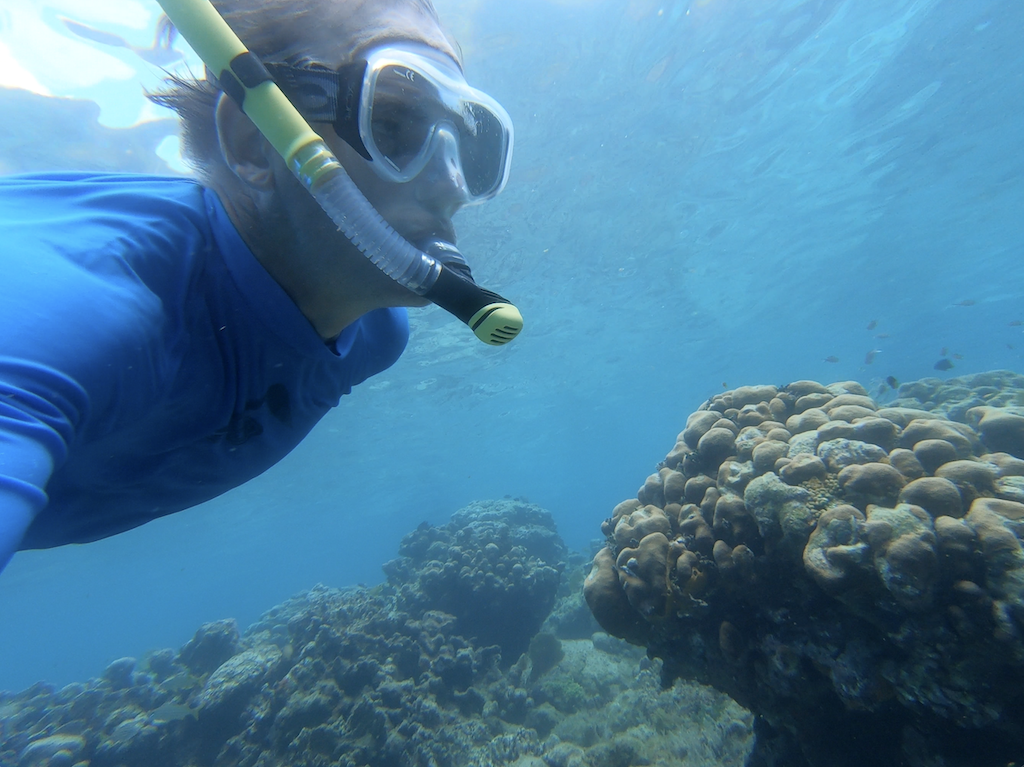
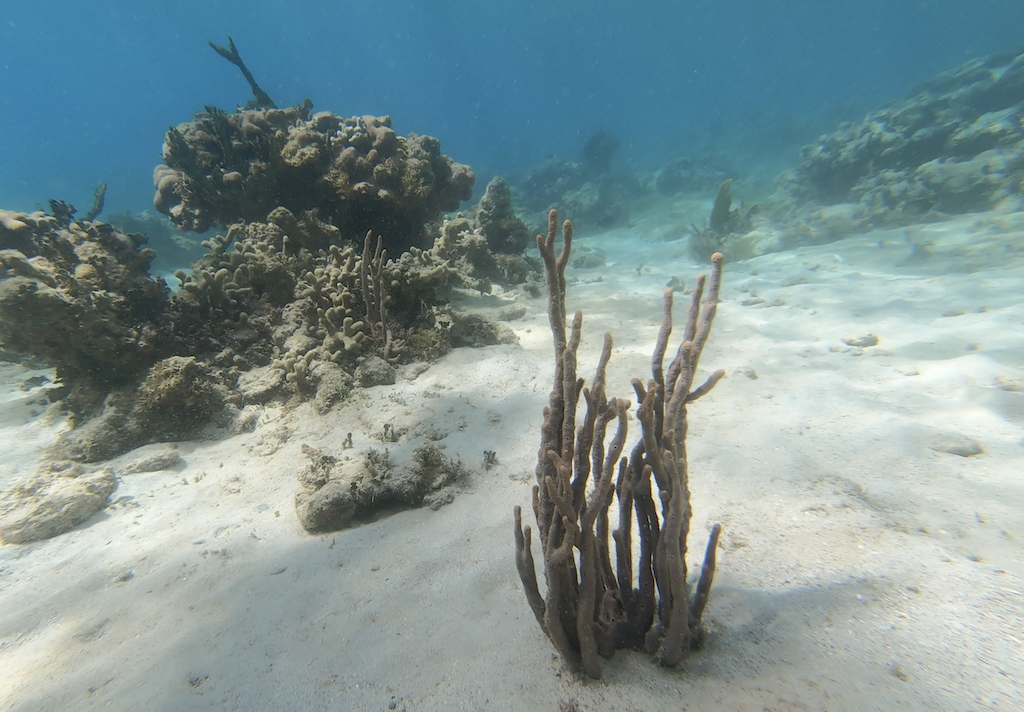
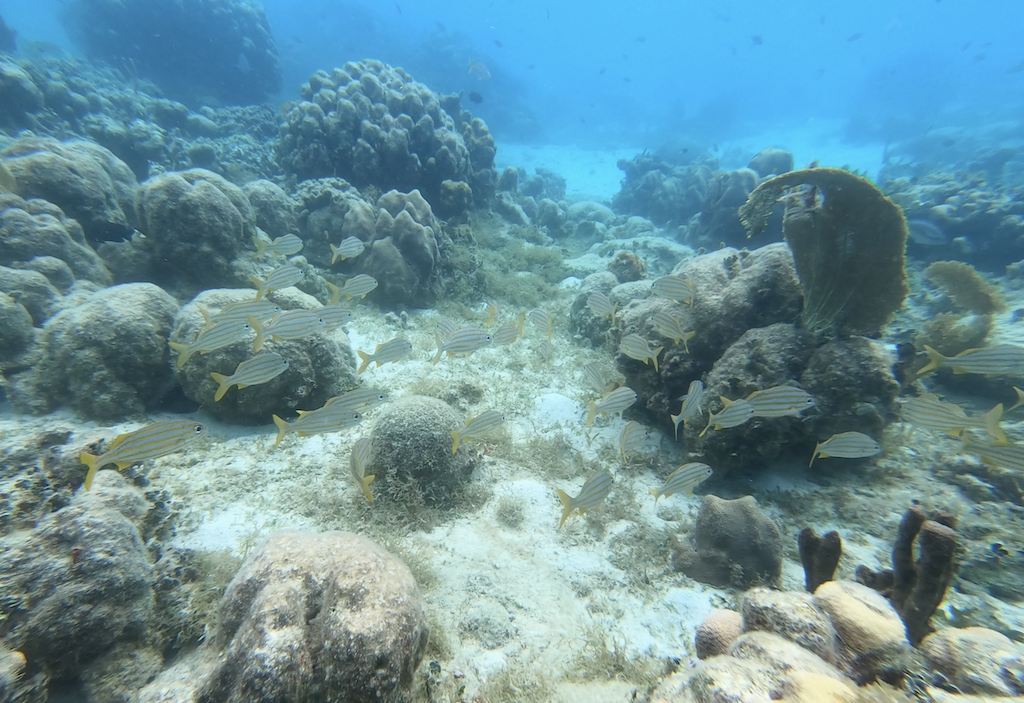
We always try to fit in plenty of swimming and snorkeling when friends come sailing with us in these warm climates. It is really easy on a boat. You pick your favorite harbor, drop the anchor, slide off the stern into the water, and immediately enjoy the colorful fish and vibrant coral. It is not so easy by land! Perhaps because we chose a Sunday for our snorkeling adventure, but every little cove we drove through was packed with cars parked in every little nook and cranny along the side of the road, leaving mid-day visitors like ourselves to walk a long distance from parked car to beach. But once you slip into the ocean, these foibles fade away like the retreating waves on the sand.
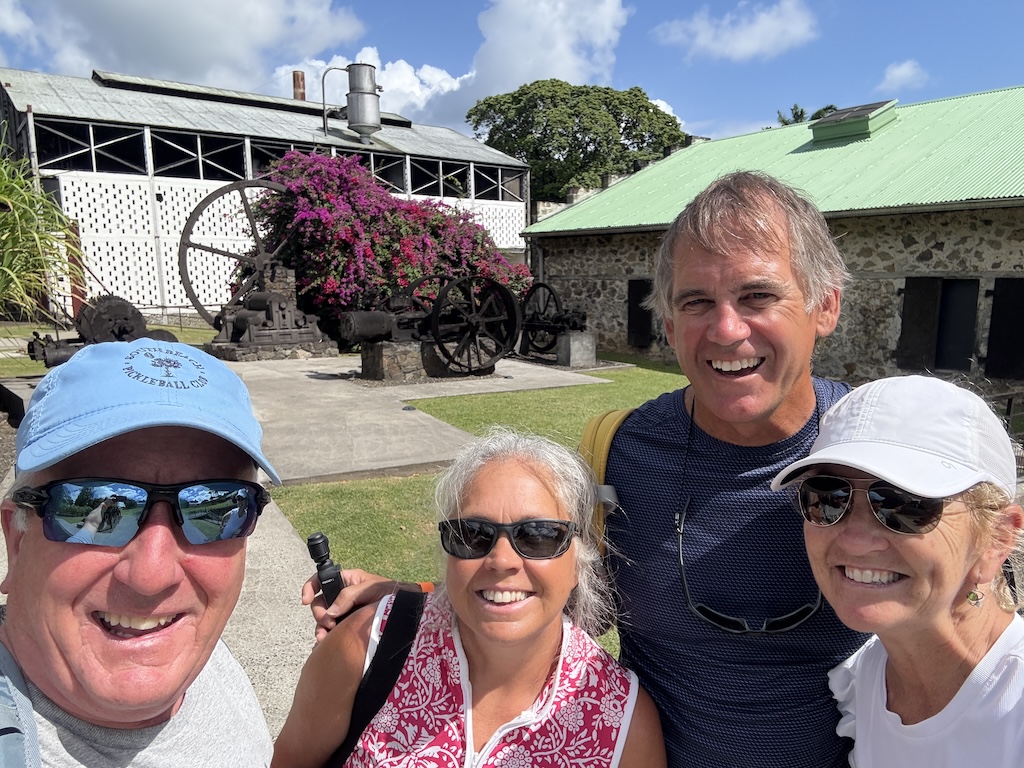
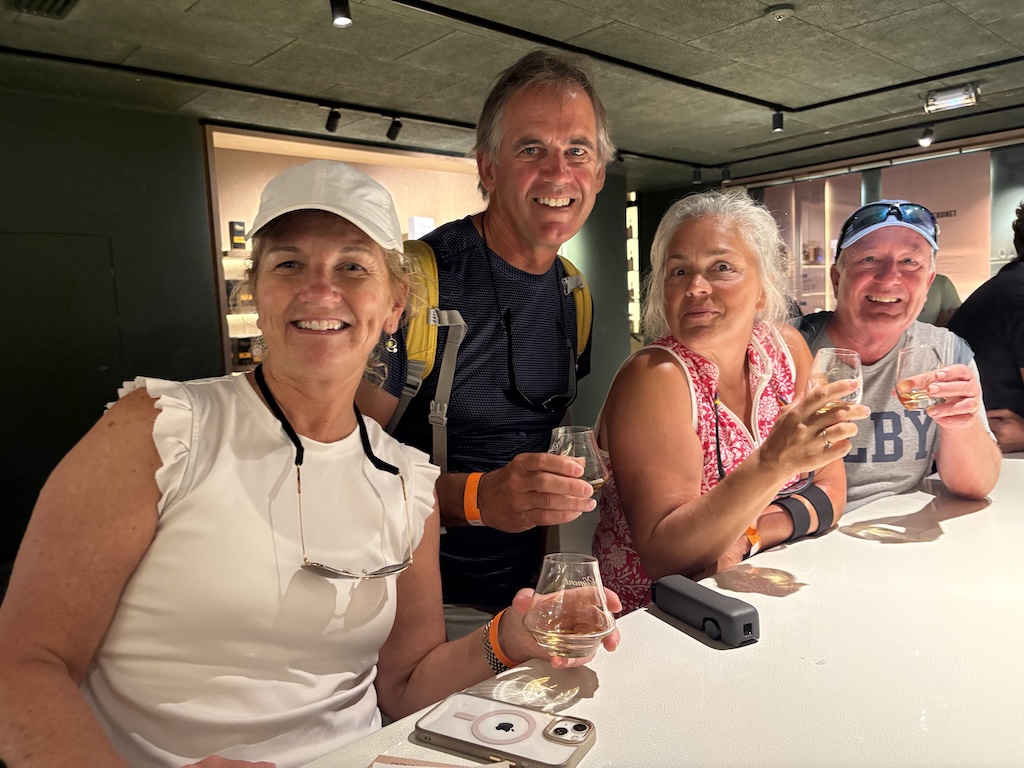
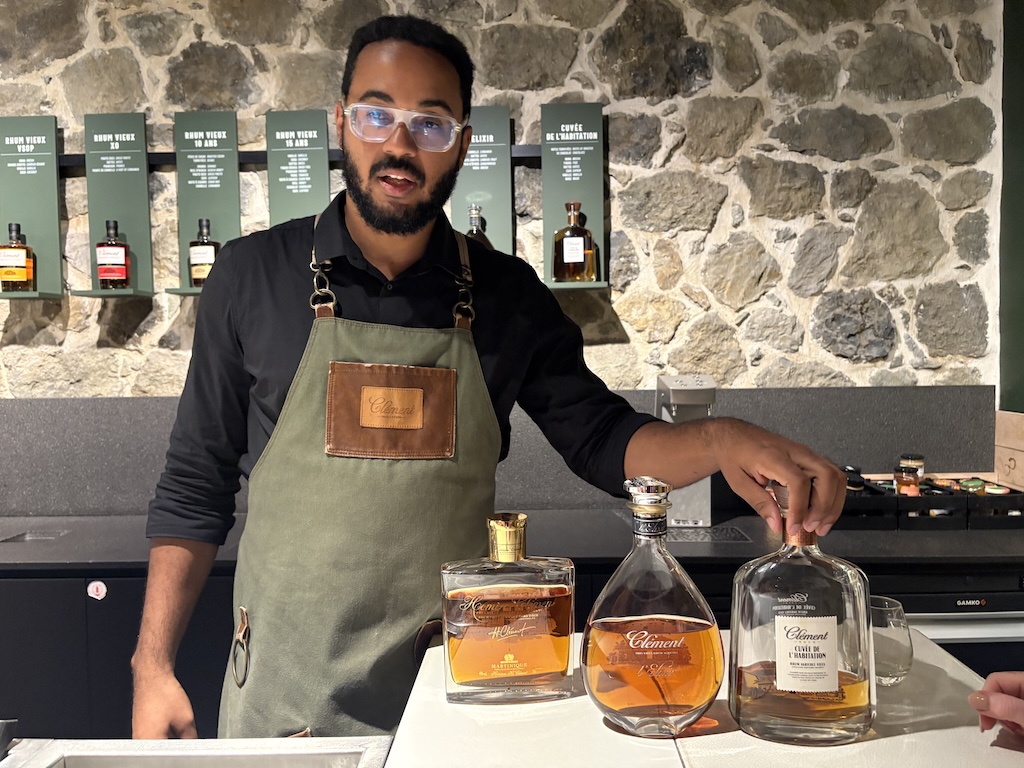
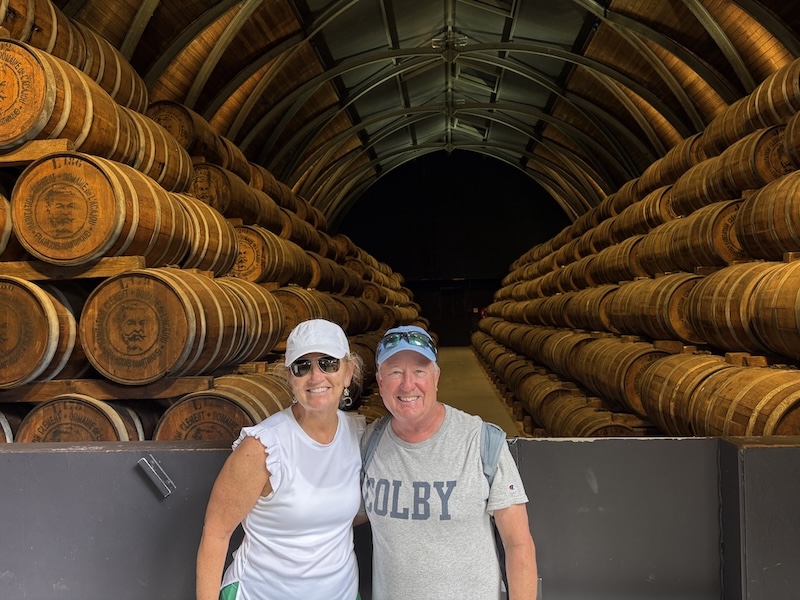
Sugar cane dominated the flat lands of early Martinique, like it did throughout the Caribbean. There were over 150 mills in operation in the late 1800’s. When cheaper beet root-based sugar took over in Europe during the stark times of the Napoleonic wars, the sugar cane industry in the Caribbean started faltering. Some mills expanded into rum production to stay alive. We visited one such location named Habitation Clément. Although it is a large operating rum distillery, the grounds were worthy of a visit in their own right, particularly the La Maison Principale. Here in 1991, a very young looking George Bush held a summit with French president Francois Mitterand to discuss Middle-east peace. In turn peace was on our mind as we strolled through gardens and courtyards and old production facilities, ending, as these tours so often do, at a tasting room showing off the proprietor’s wares. When in Rome, as they say. And, absent from the worry of trimming sails and navigating around reefs…