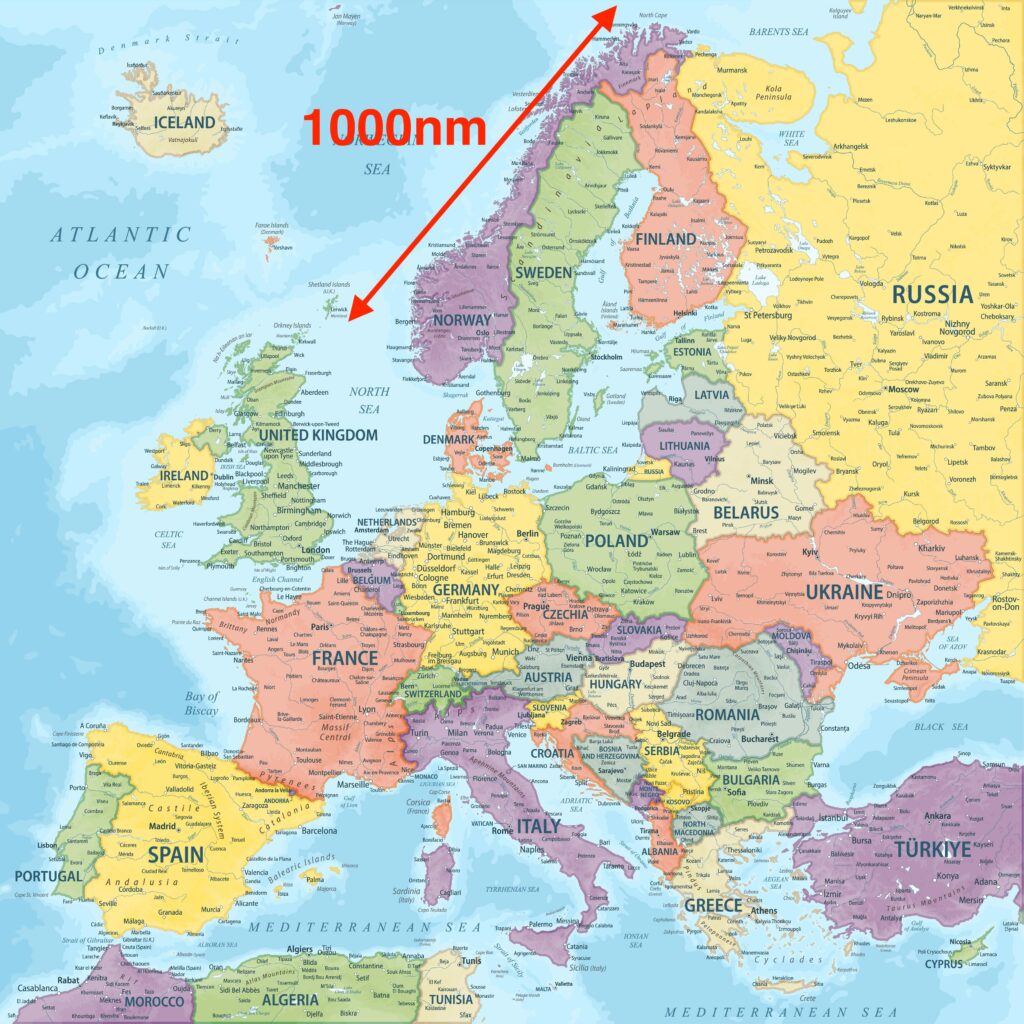
One thing is for sure about Norway. It is a long, narrow country. It borders Russia – plus Sweden and Finland – at it’s northerly tip, called Nordkapp. Down at it’s southern terminus, some 1000 miles away, it’s adjacent to the tip of Denmark. That’s similar to the distance from Boston to Miami, or London to Gibraltar. It’s not unlike the profile of a lot of Norwegian people – tall and lanky. As we had plodded along on our way north last summer, taking some nibbles out of the coastline each week, it was easy to lose sight of this fact. Now, we just had a week in order to get down south within striking distance to shoot across to the Shetland Islands and still stay on schedule with our planned itinerary for the summer. There were a lot of miles in front of us, as we pulled away from the Lofoten peninsula.
Our new best friend in Norway, Terje, had that distinctive ‘I regret to inform you…’ look on his face. He had stopped by our boat at the guest pontoon in Ballstad to inform us he did not have the proper parts to inspect and re-certify our life=raft. Terje works for Ballstad Slip, the big shipyard operation that dominates this small fishing harbor on the south coast of the Lofoten peninsula. He runs the life=raft and safety inspection business, which, if it had to rely on pleasure boats like us for revenue, would have never opened their doors. But thankfully there are many more fishing boats here than sailboats, and they all have stringent requirements for life-rafts, safety flares, fire extinguishers and the like. We were super happy to find Terje, as our life-raft, requiring inflation and re-certification every three years, had hit its due date. We carefully planned our arrival at Ballstad so that we could leave the life-raft with him for the day, and then continue our progress southwest out to the dramatic tip of the Lofoten and onward down the mainland coast of Norway. We had just three weeks to make it down the long Norwegian coastline to Kristiansund before crossing over to the Shetlands.
Re-certifying a life-raft was not an optional activity for us. The upcoming ARC+ Rally required it, and even more, we required it for our own safety and comfort. Re-certifying can cost half the value of the life-raft, and with ours at 18 years old, Terje kindly warned me that even if he had the two missing parts he needed, it might be much more than the customary cost. We resolved to buy a new one, and leave ours with a local marine safety school for their student programs. The only problem was that only one of our kind of life-raft, made by Viking, existed in Norway and it was in Oslo. Terje told us he ‘hoped’ it would arrive in a week, despite the long land route it would take from the country’s capital. There we had it. We had a week to kill in the Lofoten.
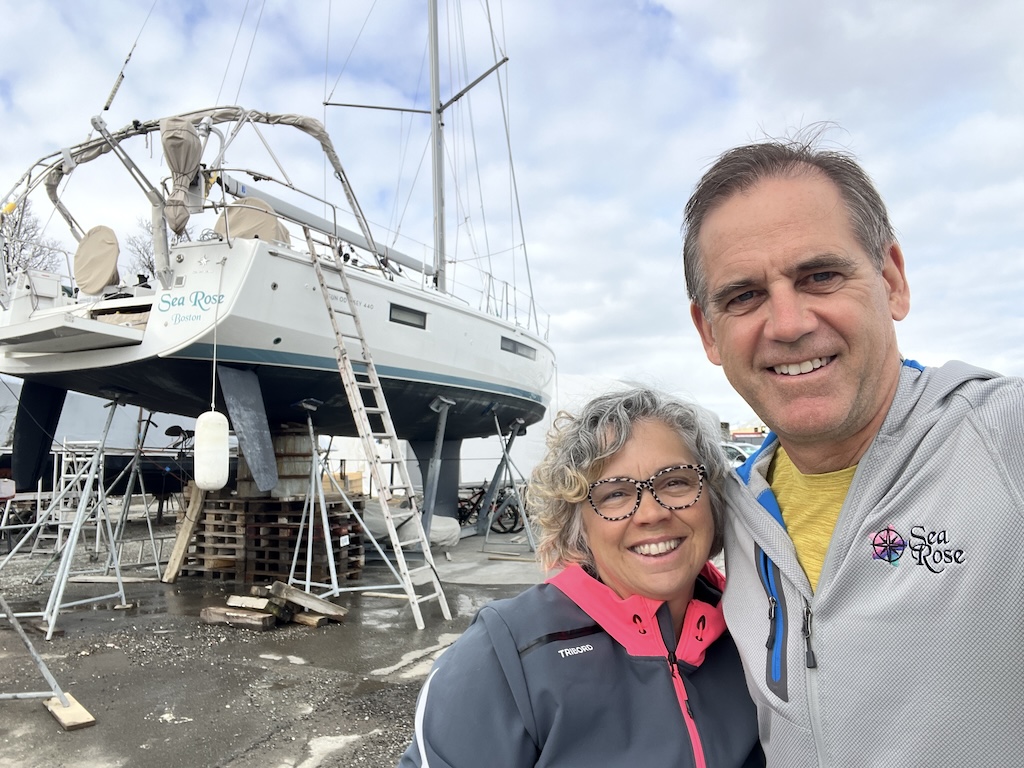
It was easy for the guy at the controls. All he had to do was push a little joy stick on his remote control and our boat would descend from the giant travelift’s slings into the water. These Europeans are pretty good with their automation and control systems. It was up to us now to apply our skills – technical and otherwise – to the task of sailing Sea Rose south. As luck would have it, we had a blue sky day to enjoy the scenic snow-capped mountains of Tromsø.
Every seat on the plane was full. When we landed, the airport was bustling with fellow passengers disembarking, while throngs of people from all age groups waited for their plane departures. It confounded me that there would be a city this far north in Norway with a not-so-insignificant population of 65,000 people. What were they all doing up here in Tromsø? Yes, it is the administrative center for Troms county, and, yes, it does have The Arctic University of Norway (the world’s most northerly university). The fisheries industry is thriving here, with many large ocean-going fishing craft docked next to large, boxy steel warehouses on the shore to process their catch. And, we can’t forget Mack brewery, the most northerly brewery in the world. There’s also a charming, yet micro-sized Polar Museum with detailed accounts of Arctic explorers setting off from here to the polar bear haven of Svalbard and to the North Pole. And a disturbingly hefty collection of harpoons. Clearly the city’s citizens have laid down their harpoons years ago and practiced, with the assistance of the long dark winters, a considerable amount of ‘night moves’ to grow the population. Well done!